Have you ever woke from a dream that felt too vivid to ignore? In Islam, dream interpretation holds significant value, viewed as messages or guidance from Allah. Understanding these Islamic dream symbols can enhance your spiritual journey and offer valuable insights into your everyday life. In this article, we will explore seven key Islamic dream symbols and how they serve as guidance for Muslims.
The Importance of Dream Interpretation in Islam
In Islamic teachings, dreaming is categorized into three distinct types:
- True Dreams (Ru'ya): Recognized as divine inspiration that often comes true.
- False Dreams (Hulum): Manifestations of internal thoughts, lacking real significance.
- Dreams from Shaitan: Misleading visions designed to confound or scare individuals.
Muslims are encouraged to rely on the Quran and Hadith for guidance on dream interpretation. The Prophet Muhammad (peace be upon him) emphasized the significance of understanding dreams accurately.
Significance of Symbols in Dreams
Islamic dream symbols reveal insights about our subconscious and reflect our current life situations. With a deep cultural and spiritual meaning, they may appear in various forms in Islamic dream interpretations. Familiarizing yourself with these symbols can lead to meaningful conclusions and guidance in your life.
7 Key Islamic Dream Symbols Every Muslim Should Know
1. Snakes
Meaning of the Symbol: Snakes symbolize hidden fears, enemies, and protection.
Real-Life Applications:
- A snake attacking may suggest facing hidden enemies or challenges.
- A snake slithering away can symbolize overcoming your fears.
2. Water
Meaning of the Symbol: Water signifies purity, life, and spiritual cleansing in Islamic tradition.
Real-Life Applications:
- A calm river may indicate blessings and tranquility in life.
- A flooding river could signify forthcoming emotional challenges.
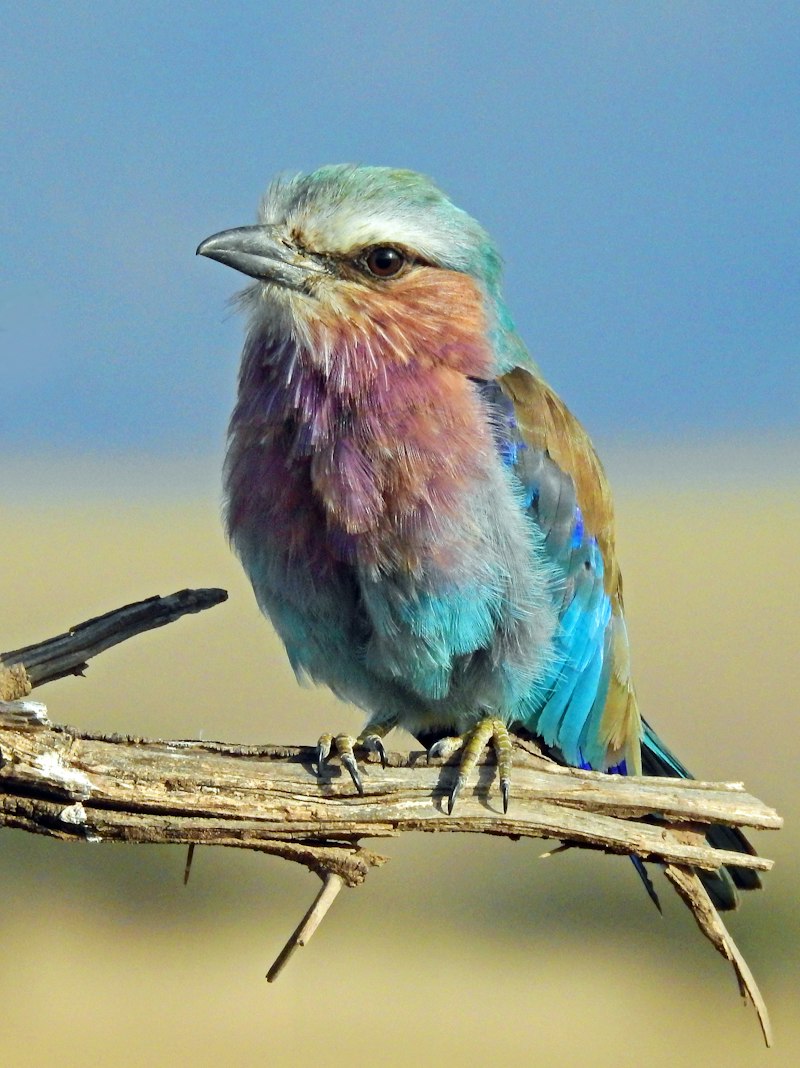
3. Birds
Meaning of the Symbol: Birds represent freedom, happiness, and messages from Allah.
Real-Life Applications:
- Dreaming of a bird soaring can indicate hope and liberation.
- Birds trapped in a cage may reflect feelings of restriction or unfulfilled potential.
4. Fire
Meaning of the Symbol: Fire symbolizes passion, anger, and serves as a warning or purification tool.
Real-Life Applications:
- Controlled flames indicate a healthy ambition.
- An uncontrollable fire may suggest unresolved issues or escalating anger.
5. Black Dogs
Meaning of the Symbol: Black dogs symbolize loyalty while also warning of potential betrayal or danger.
Real-Life Applications:
- A friendly black dog may signify loyalty from someone close.
- An aggressive black dog warns of deception or danger in relationships.
6. Fish
Meaning of the Symbol: Fish often represent prosperity, knowledge, and good fortune.
Real-Life Applications:
- Dreaming of catching fish symbolizes success and abundance.
- Fish swimming away may reflect missed opportunities.
7. Apples
Meaning of the Symbol: Apples can represent knowledge, temptation, and material wealth.
Real-Life Applications:
- Biting into an apple symbolizes gaining wisdom or facing temptation.
- An apple tree can signify both abundance and blessings of knowledge.
How to Interpret Your Dreams Effectively
To analyze your dreams meaningfully, consider these strategies:
- Record Your Dreams: Write them down as soon as you wake up, including emotions for deeper insights.
- Context Matters: Relate your dreams to personal experiences associated with the symbols.
- Seek Knowledge: Consult knowledgeable scholars or resources for more thorough dream interpretation.
Conclusion
Understanding Islamic dream symbols can be enlightening. They provide a means to explore life with heightened awareness, optimizing spiritual growth. We encourage you to examine your dreams with curiosity and share your experiences in the comments below.
Call to Action
Do you have a dream you'd like interpreted? Want to explore further aspects of Islamic dream interpretations? Try our free AI tool on our homepage to get personalized interpretations based on authentic Islamic sources.
Don't forget to subscribe for future posts on Islamic teachings and share this article across social media to spark discussions among family and friends!